Bob or lob
Before you cut,
see it on your face.
A bob doesn’t grow back overnight.
So take 30 seconds first.
760,000+ people have tried hairstyles on their own face¹
Which bob are you curious about?
In HairTry, 6 in 10 people in the US who picked
a women’s hairstyle picked a bob or lob at least once²
Choosing by face shape
Your pick, on your face.
Checking your photo.
About 30 seconds. Please keep this page open.
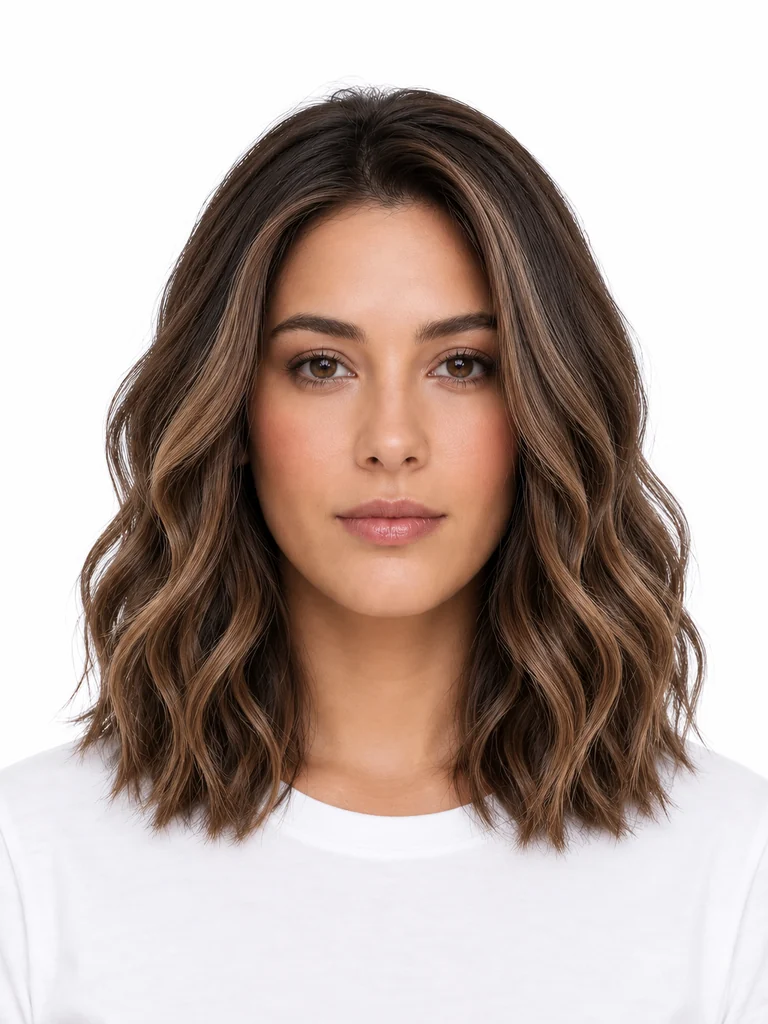
My wavy lob
That’s it on the web. Keep going in the app.
How would the other 3
look on me?
The other bobs and many more styles.
Try them in the app with the same photo.
Love the look?
Find the words.
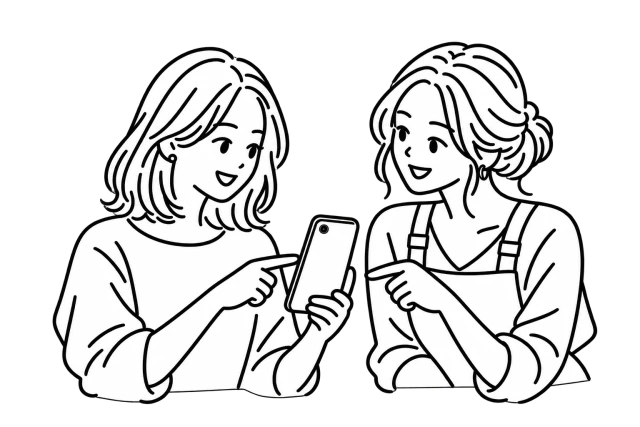
A note for your stylist, tailored to the cut you choose.
Wavy lob
I’d like a wavy lob like this photo, ending right at my collarbone. I love the loose, lived-in waves and the soft, piecey ends. I spend about 10 minutes on my hair in the morning, so I’d like it to air-dry well. What would work best with my hair?
Show this photo.
Let the note start the conversation.
Bob vs. lob: what is the difference?
A bob ends around the chin, and a lob (long bob) ends below it, somewhere between the chin and the collarbone. There is no strict line between the two, so names vary from salon to salon. This page compares four versions on the same model: a classic bob, an Italian bob, a wavy lob and a sleek lob.
How the four differ
- Classic bobChin-length with a clean, straight line. The clearest bob shape: it shows the jaw and neck.
- Italian bobA fuller, bouncier bob with volume through the jaw. It usually needs some styling, such as a blow-dry, to keep that volume.
- Wavy lobA longer cut that falls below the jaw with soft waves. The waves can come from natural texture, a perm or a curling iron. It keeps some length, so it is a smaller step from long hair.
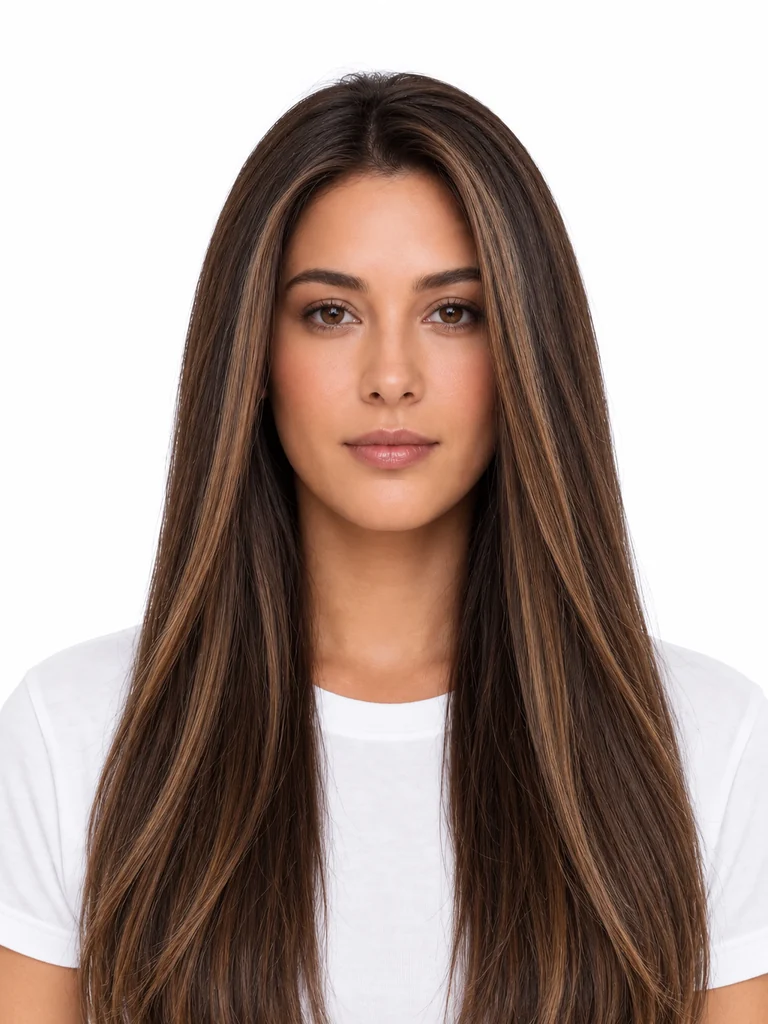
- Sleek lobCollarbone length, straight and smooth. It shows off glossy, straight hair and may need a smooth blow-dry if your hair frizzes.
Who each tends to suit
As general styling guidance, not a rule: length past the chin and straight lines tend to make a round face look longer (sleek lob); side volume balances an oblong face (Italian bob); soft waves below the jaw soften a square jawline (wavy lob); ends at the chin add fullness for a heart-shaped face (classic bob). Hair type matters as much as face shape. Fine, straight hair often shows a blunt bob line clearly, while thick or curly hair can expand at the chin as it dries.
What to tell your stylist
Say where the cut should end (chin, jaw or collarbone), whether the ends should be blunt or textured, how much volume you want and how much time you will spend styling. Because "bob" and "lob" overlap, show the image you saved from this page.
Good to know
Can I use a photo where I have bangs?
Yes. A photo with your forehead visible gives a more natural result.
What is the difference between a bob and a lob?
A bob ends around the chin. A lob (long bob) ends lower, usually between the chin and the collarbone. The boundary is not strict, so salons use the words a little differently. Comparing both on the same face above is the quickest way to see the difference.
Is an Italian bob different from a regular bob?
Usually, yes. An Italian bob is typically fuller and bouncier, with volume through the jaw, while a classic bob is a clean, straight line at the chin.
Can I get a lob with wavy or curly hair?
Yes, many people do. Wavy and curly hair shrinks up as it dries, so a lob can sit shorter than it looked when wet.
¹ Cumulative HairTry app users (as of October 2026)
² People in the US who picked a hairstyle in the HairTry app, June 27 – October 2, 2026