Pixie cut
Before you go short,
see it on your face.
A pixie takes a year or more to grow out.
So take 30 seconds first.
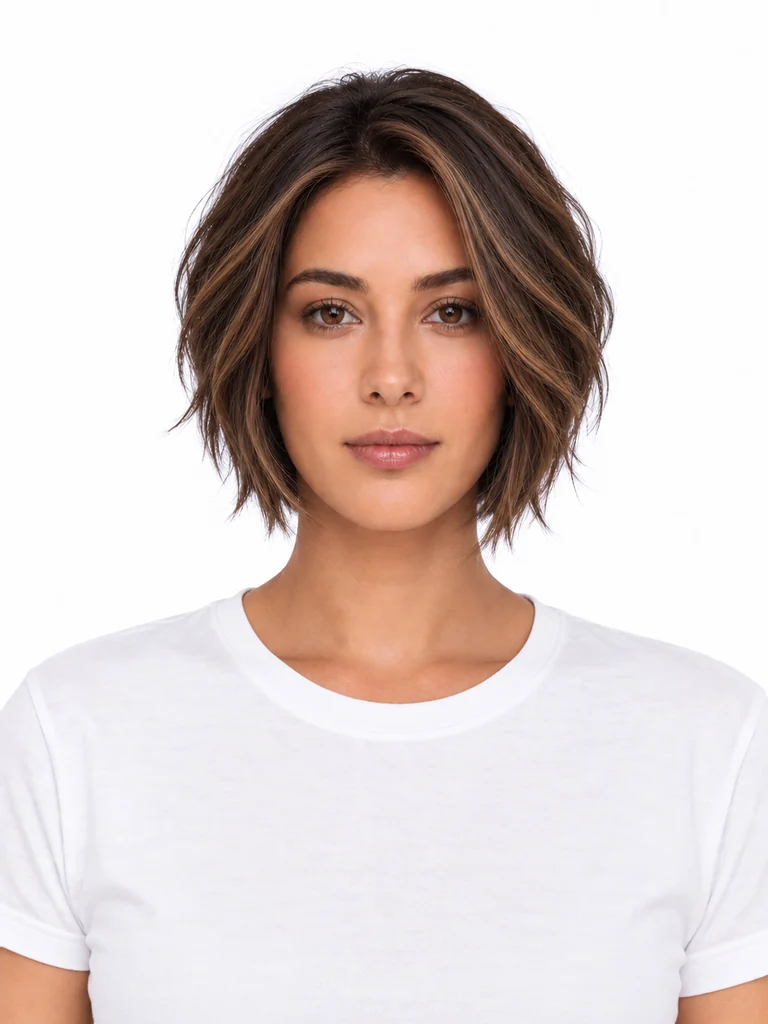
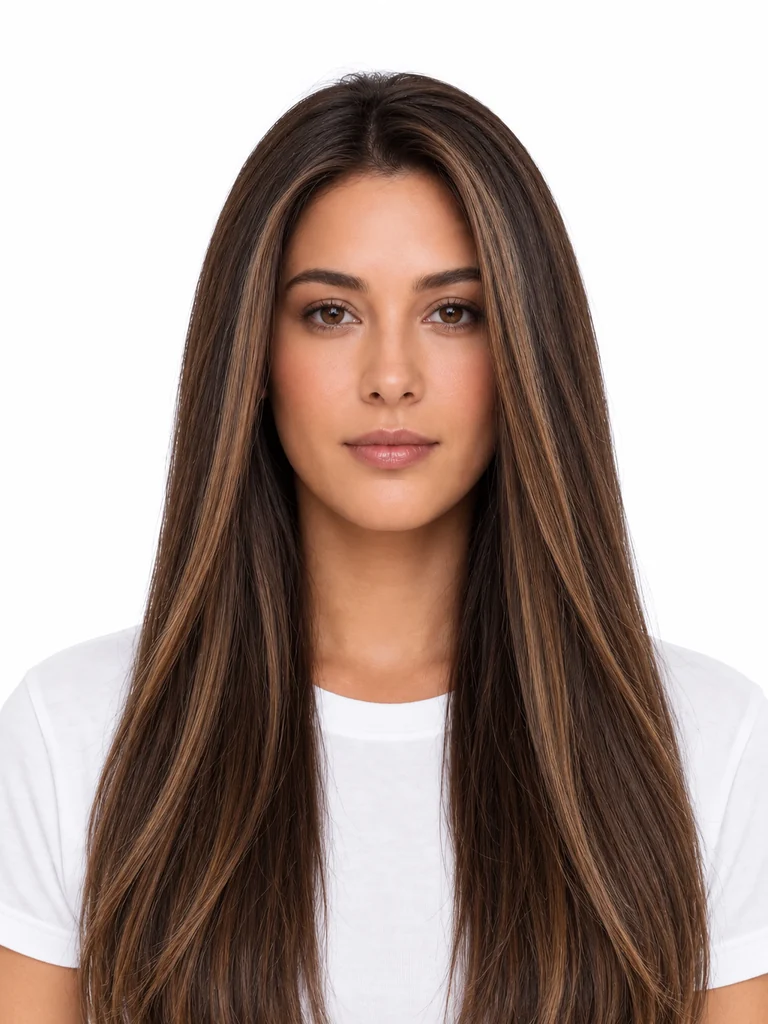
760,000+ people have tried hairstyles on their own face¹
Which pixie are you curious about?
In HairTry, more than 1 in 4 people in the US who picked
a women’s hairstyle picked a pixie at least once²
Choosing by face shape
Your pick, on your face.
Checking your photo.
About 30 seconds. Please keep this page open.
My bixie
That’s it on the web. Keep going in the app.
How would the other 3
look on me?
The other pixies and many more styles.
Try them in the app with the same photo.
Love the look?
Find the words.
A note for your stylist, tailored to the cut you choose.
Bixie
I’d like a bixie like this photo, somewhere between my ears and jaw, with soft, shaggy layers and wispy pieces around my face and at the nape. I love that it’s airy but still a little bob-like. I spend about 10 minutes on my hair in the morning. What would work best with my hair?
Show this photo.
Let the note start the conversation.
What is a pixie cut? Bixie, classic, textured and crop compared
A pixie cut is a short haircut that is close at the sides and back, with a little more length on top. This page compares four versions on the same model, from the longest to the shortest: a bixie, a classic pixie, a textured pixie and a pixie crop.
How the four differ
- BixieA cross between a pixie and a bob. It is short but leaves more length at the sides and nape, so it is a gentler step if you are nervous about going short.
- Classic pixieNeat, short sides with a longer top that sweeps to one side. A side-swept fringe is common.
- Textured pixieChoppy, layered ends on top for movement. It usually works best with a little styling product.
- Pixie cropThe shortest of the four, cropped close all over so the focus falls on your eyes and cheekbones. Short cuts lose their shape quickly, so expect frequent trims.
Who each tends to suit
As general styling guidance, not a rule: a side-swept fringe and a little height on top tend to make a round face look longer (classic); fullness at the sides balances an oblong face (bixie); soft, piecey ends soften a square jawline (textured); a side-swept fringe balances a wider forehead (classic). Hair type changes the result as much as face shape does. Cowlicks at the crown or hairline, thick hair and curls all affect how a pixie sits.
What to tell your stylist
Say how short you want the sides and back, how much length to keep on top, whether you want a fringe and which way it should fall, and how much time you will spend styling. Bring the image you saved from this page, and a photo of your hair as it is now.
Good to know
Can I use a photo with long hair?
Yes. A front-facing photo with your forehead visible gives the most natural result.
How long does a pixie take to grow out?
Hair grows about half an inch a month, so getting back to shoulder length often takes well over a year. That’s why it’s worth seeing it first.
What is the difference between a bixie and a pixie?
A bixie sits between a pixie and a bob: it is short but keeps more length at the sides and nape. A pixie is cropped closer at the sides and back. If you are unsure about going very short, the bixie is the gentler step.
Does a pixie cut suit every face shape?
Many face shapes can wear a pixie. What changes is which version and styling look best, such as a side-swept fringe or more volume on top.
¹ Cumulative HairTry app users (as of October 2026)
² People in the US who picked a hairstyle in the HairTry app, June 27 – October 2, 2026